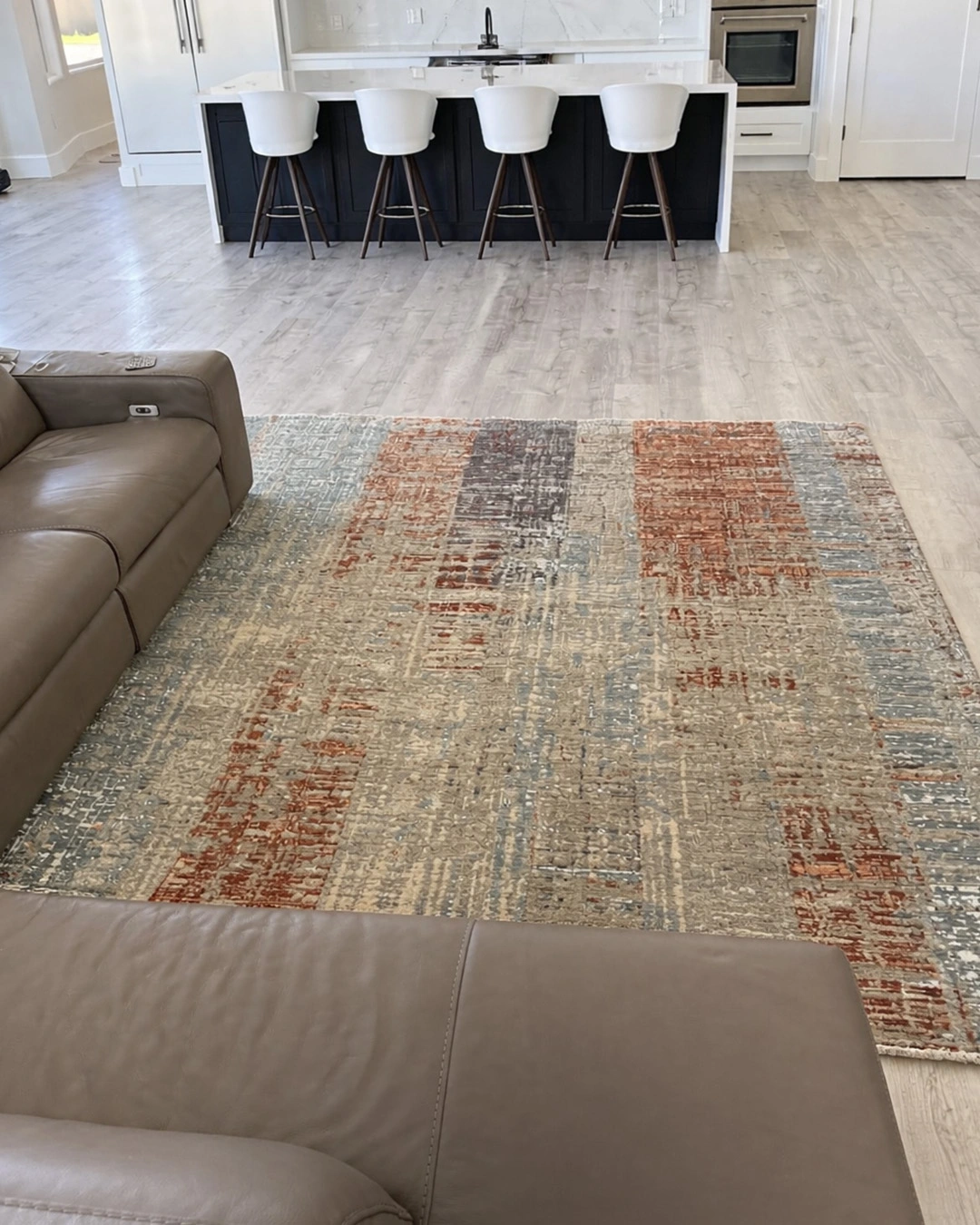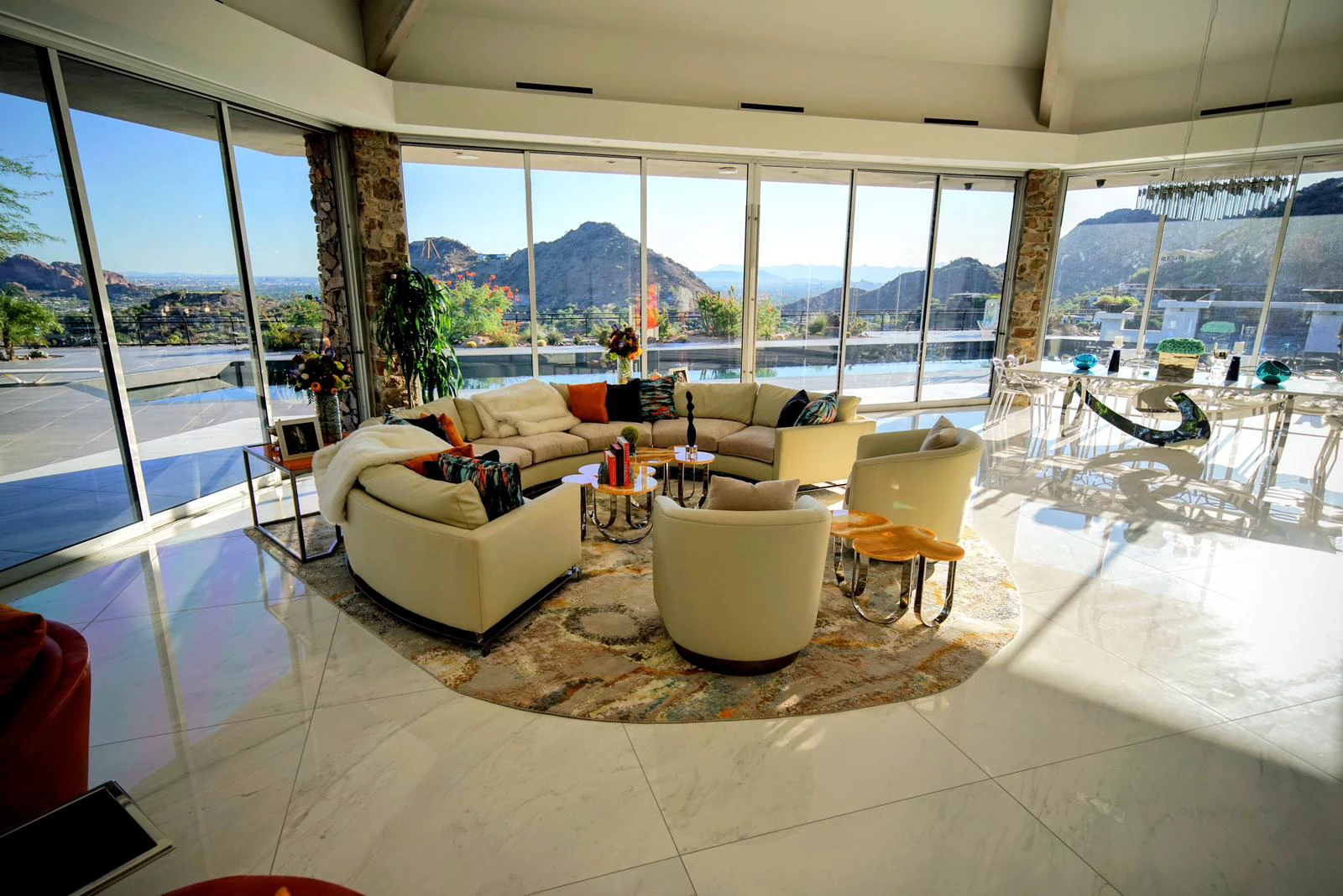
Buying a rug may seem simple, but many homeowners make costly mistakes that affect both comfort and interior design. Rugs are more than decorative accessories they define spaces, add warmth, improve acoustics, and enhance the overall look of a room.
Unfortunately, choosing the wrong rug can make even a beautifully designed space feel unbalanced or incomplete. From selecting the wrong size to ignoring rug materials, common rug buying mistakes can lead to disappointment, unnecessary expenses, and poor functionality.
Choosing the Wrong Rug Size
One of the most common rug buying mistakes is selecting a rug that is too small for the space.
A small rug can make a room feel disconnected and visually awkward. In living rooms, rugs should usually fit underneath at least the front legs of sofas and chairs. In dining rooms, the rug should extend beyond the table so chairs remain on the rug when pulled out.
Living Room Rug Mistakes
Many homeowners purchase rugs that only fit under the coffee table. This creates an unbalanced appearance and makes the room feel smaller.
Large rugs generally create a more cohesive and luxurious design.
Ignoring Rug Material Quality
Another major mistake people make when buying rugs is focusing only on appearance while ignoring material quality.
Different materials affect:
- Durability
- Comfort
- Maintenance
- Longevity
- Stain resistance
Buying quality rugs made from wool, cotton, or durable synthetic fibers often provides better long-term value.
Rug Material Mistakes to Avoid
Choosing delicate materials for high-traffic spaces is a common problem. For example:
- Silk rugs may not perform well in busy hallways
- Low-quality synthetic rugs may flatten quickly
- Cheap materials may fade or wear faster
Understanding rug durability helps homeowners select the best rugs for home décor and daily use.
Forgetting About Maintenance Requirements
Some rugs require much more maintenance than homeowners expect.
Before purchasing a rug, consider:
- Cleaning frequency
- Stain resistance
- Pet-friendliness
- Washability
- Professional cleaning costs
Washable rugs are often ideal for busy households, while delicate handmade rugs may require specialized care.
Ignoring maintenance needs can result in frustration and faster rug deterioration.
Choosing Style Over Function
While aesthetics matter, functionality is equally important.
A beautiful rug that cannot handle foot traffic, spills, or pets may not be practical for everyday life.
Area Rug Shopping Tips
When choosing area rugs, balance style with performance. Consider:
- Room usage
- Foot traffic
- Household activity
- Children or pets
- Moisture exposure
The best rugs combine beauty, durability, and comfort.
Poor Rug Placement
Improper rug placement can negatively affect the flow and appearance of a room.
Rug Placement Tips
- Living room rugs should anchor furniture
- Bedroom rugs should extend beyond the bed
- Hallway runners should fit proportionally
- Dining room rugs should allow chair movement
Correct rug placement helps create balanced and visually appealing interiors.
Ignoring Color and Pattern Balance
Some homeowners choose rugs that clash with existing furniture, wall colors, or décor styles.
Large bold patterns can overwhelm smaller rooms, while extremely light rugs may show stains quickly in busy areas.
Neutral rugs are often versatile because they work well with changing interior styles over time.
Interior Design Rug Tips
Before buying a rug:
- Consider existing furniture colors
- Match the rug to the room’s style
- Balance patterns carefully
- Think about long-term design flexibility
Buying Cheap Rugs Only for Price
Price is important, but focusing only on the cheapest option can lead to poor quality and short lifespan.
Cheap rugs may:
- Wear out quickly
- Shed excessively
- Fade faster
- Lose shape over time
Investing in buying quality rugs often saves money long term because durable rugs require less frequent replacement.
Not Measuring the Room Properly
Many rug buying problems happen because homeowners estimate rug sizes without measuring.
Before purchasing:
- Measure the full room
- Measure furniture spacing
- Use painter’s tape to visualize rug size
- Leave balanced floor borders around the rug
Proper measurements help avoid expensive returns or mismatched proportions.
Forgetting About Rug Pads
Rug pads are often overlooked but provide important benefits.
They help:
- Prevent slipping
- Protect flooring
- Improve comfort
- Extend rug lifespan
- Reduce wear and friction
Skipping a rug pad can reduce both comfort and durability.
Overlooking Lifestyle Needs
One of the biggest mistakes people make when buying rugs is ignoring their actual lifestyle needs.
For example:
- Families with children need durable rugs
- Pet owners need stain-resistant rugs
- Luxury interiors may benefit from handmade rugs
- Busy homes often require low-maintenance rugs
The right rug should support daily living while improving interior aesthetics.
How to Choose the Right Rug
If you want to avoid common rug buying mistakes, focus on these key factors:
- Correct rug size
- Durable Rug materials
- Appropriate placement
- Easy maintenance
- Balanced style and function
- Long-term value
Following a thoughtful rug buying guide helps homeowners make confident and informed decisions.
Final Opinion
The top mistakes people make when buying rugs can help you avoid costly decorating errors while creating a more comfortable and visually balanced home.
From choosing the correct size to selecting quality materials and proper placement, every detail matters when shopping for rugs. Investing time in careful planning ensures your rug improves both the beauty and functionality of your space for years to come.
FAQs
What is the most common mistake when buying a rug?
Choosing a rug that is too small for the room is one of the most common rug buying mistakes.
How do I choose the right rug size?
Measure your room carefully and ensure the rug fits proportionally with your furniture layout.
What rug material is best for busy homes?
Wool and durable synthetic fibers are excellent choices for high-traffic areas.
Are expensive rugs worth it?
High-quality rugs often last longer, look better, and provide better long-term value than cheaper alternatives.