
If you are wondering how often should you professionally clean a rug, a practical starting point is every 12–24 months for many area rugs in typical homes. Rugs in busy living rooms, entryways, or homes with pets may need attention sooner, while lightly used rugs may go longer. The right schedule depends on the rug’s material, construction, foot traffic, and condition.
For homeowners in Scottsdale, Arizona, dust entering from outdoors can also contribute to soil buildup. Regular maintenance and appropriate professional care help preserve a rug’s appearance and value.
How Often Should Different Rugs Be Professionally Cleaned?
There is no single schedule that suits every rug. Use these intervals as starting points, then adjust according to the rug’s condition and care instructions.
- High-traffic rugs: Consider an annual assessment for rugs in entryways, family rooms, and busy hallways.
- Homes with pets or children: Arrange cleaning sooner when odors, accidents, or accumulated soil become difficult to manage.
- Low-traffic bedroom rugs: Cleaning every 12–24 months or longer may be reasonable, depending on the material and condition.
- Fine, handmade, or antique rugs: Have them assessed by a specialist who understands their fibers, dyes, and construction before choosing a cleaning method.
These are general guidelines rather than strict rules. The Carpet and Rug Institute recommends professional deep cleaning for carpets every 12–18 months, but area rugs can require different care depending on their construction.
What Factors Affect Rug Cleaning Frequency?
1. Foot Traffic and Everyday Dirt
Rugs in frequently used spaces collect more soil from shoes, bare feet, and everyday activity. Fine particles can settle deep into the pile even when the surface still looks clean.
In Scottsdale, outdoor dust may enter through doors and windows. Regular vacuuming and entry mats can help reduce the amount of dirt reaching your rug.
2. Pets, Children, and Spills
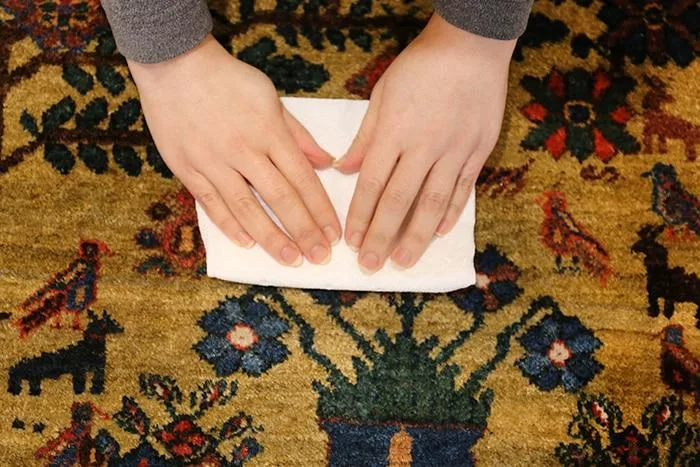
Pet hair, food spills, and accidental messes can make a rug need attention sooner. Urine and other liquids may penetrate beyond the surface, so visible spot cleaning alone may not resolve the problem.
Blot fresh spills gently with a clean cloth rather than scrubbing. Avoid applying random cleaning products, especially to wool, silk, antique, or handmade rugs.
3. Rug Material and Construction
Different fibers respond differently to moisture, heat, and cleaning products. Wool, silk, viscose, and synthetic rugs should not automatically receive the same treatment.
Peace Rugs specializes in custom, hand-knotted rugs. If you own a valuable or delicate rug, consider its construction before choosing a cleaning method. You can also explore the company’s rug services and craftsmanship to learn more about its expertise in fine rugs.
Signs Your Rug Needs Professional Cleaning
Do not rely on the calendar alone. Consider an assessment if you notice:
- Persistent odors that remain after routine care.
- Visible discoloration or a dull, gray appearance.
- Dust or debris emerging when the rug is moved.
- Stains that remain after appropriate spot treatment.
- Pet accidents or moisture that may have reached the rug’s backing.
- A change in texture or other signs of possible damage.
A rug that looks clean may still contain embedded soil. Conversely, fading or worn fibers may indicate age or damage rather than dirt. A professional assessment can help distinguish between these problems.
How to Keep Your Rug Cleaner Between Professional Cleanings
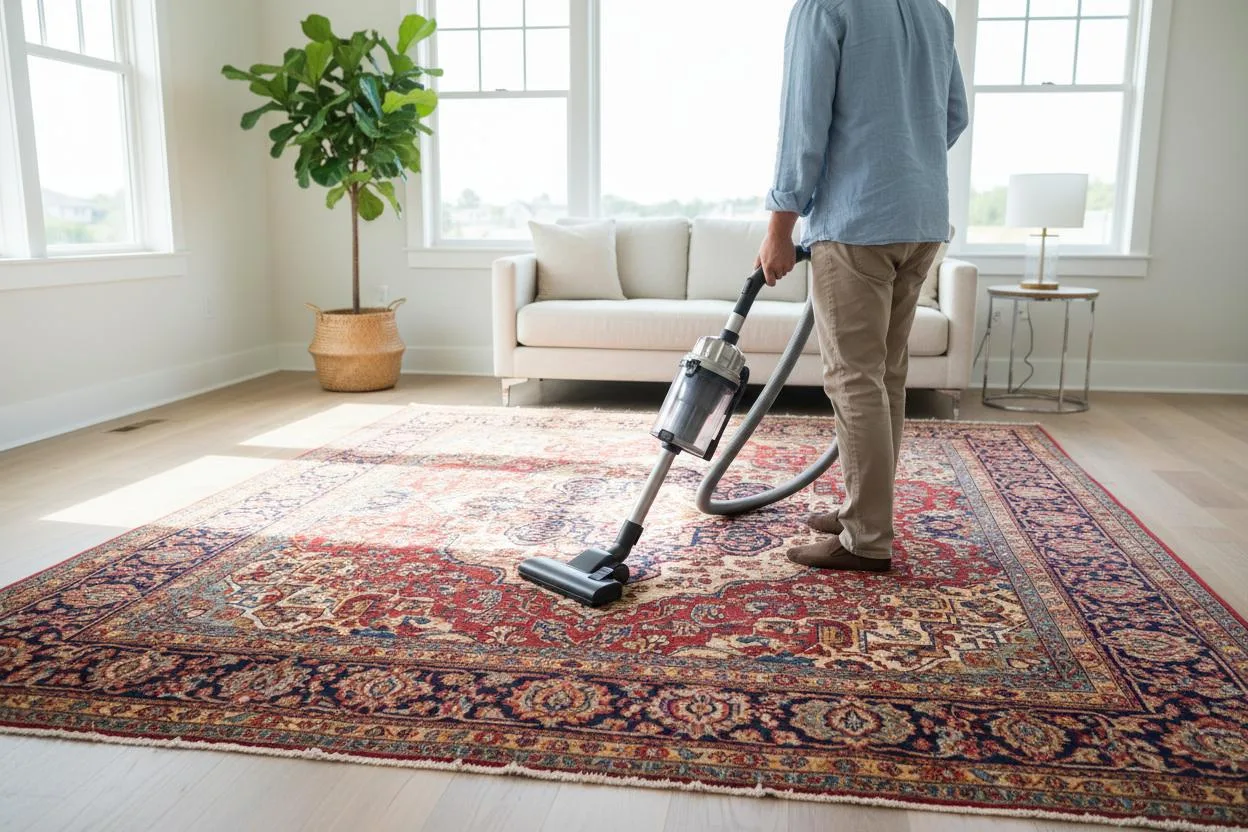
A consistent maintenance routine can help reduce soil buildup and unnecessary cleaning.
- Vacuum regularly: Use a setting appropriate for the rug’s pile and construction. Take extra care with fringe and delicate fibers.
- Address spills promptly: Blot gently and follow the rug manufacturer’s care instructions.
- Use entry mats: These help catch dirt before it reaches your area rugs.
- Rotate when appropriate: Periodic rotation can distribute foot traffic and sunlight exposure more evenly.
- Keep rugs dry: Address moisture promptly and ensure a rug is completely dry before placing it back on the floor.
For additional everyday guidance, read Peace Rugs’ article on how to clean and maintain washable area rugs. Remember that washable rugs and fine handmade rugs may require very different care methods.
Why Professional Rug Assessment Matters
Professional care is particularly important for valuable rugs because the wrong cleaning method can cause color bleeding, shrinkage, texture changes, or damage to weakened areas.
Before cleaning, the rug’s fibers, dye stability, construction, existing stains, and condition should be considered. This is especially important for handmade, antique, silk, or viscose rugs.
Peace Rugs focuses on custom rugs and fine craftsmanship rather than presenting every rug as a one-size-fits-all product. If you are unsure about your rug’s material or care requirements, use the company’s frequently asked questions as a starting point for learning about its rug materials and construction.
Conclusion
So, how often should you professionally clean a rug? For many homes, every 12–24 months is a reasonable starting point. High-traffic rugs, pet-friendly households, and rugs affected by spills or heavy dust may need attention sooner.
Regular vacuuming and prompt spill care help maintain your rug between professional cleanings. For valuable or delicate pieces, choose a cleaning approach based on the rug itself rather than a fixed schedule.
If you live in Scottsdale and want guidance on fine rugs, contact Peace Rugs to discuss your questions and explore its rug expertise.
Frequently Asked Questions
1. Should I professionally clean my rug every year?
Not always. Annual cleaning or assessment may suit heavily used rugs, while rugs in quieter rooms may need professional cleaning less often. Material and condition should guide the decision.
2. Can vacuuming replace professional rug cleaning?
No. Vacuuming removes loose surface dirt, but embedded soil, persistent odors, and some stains may require additional treatment.
3. Do rugs in homes with pets need more frequent cleaning?
Often, yes. Pet hair, odors, and accidents can increase cleaning needs. Seek appropriate advice if urine or moisture has penetrated the rug.
4. Can professional cleaning damage a handmade rug?
An unsuitable method can damage delicate fibers, dyes, or weakened areas. A qualified specialist should assess the rug before selecting a cleaning process.
5. How can I tell if my rug needs cleaning?
Persistent odors, visible soil, recurring stains, and dust trapped in the pile can indicate that it needs attention. These signs may also point to damage, so assessment can help identify the cause.
6. Does Scottsdale’s dusty climate affect rug care?
Outdoor dust can contribute to soil buildup. Entry mats, regular vacuuming, and prompt spill care can help reduce accumulation, but cleaning frequency still depends on the rug and household.