


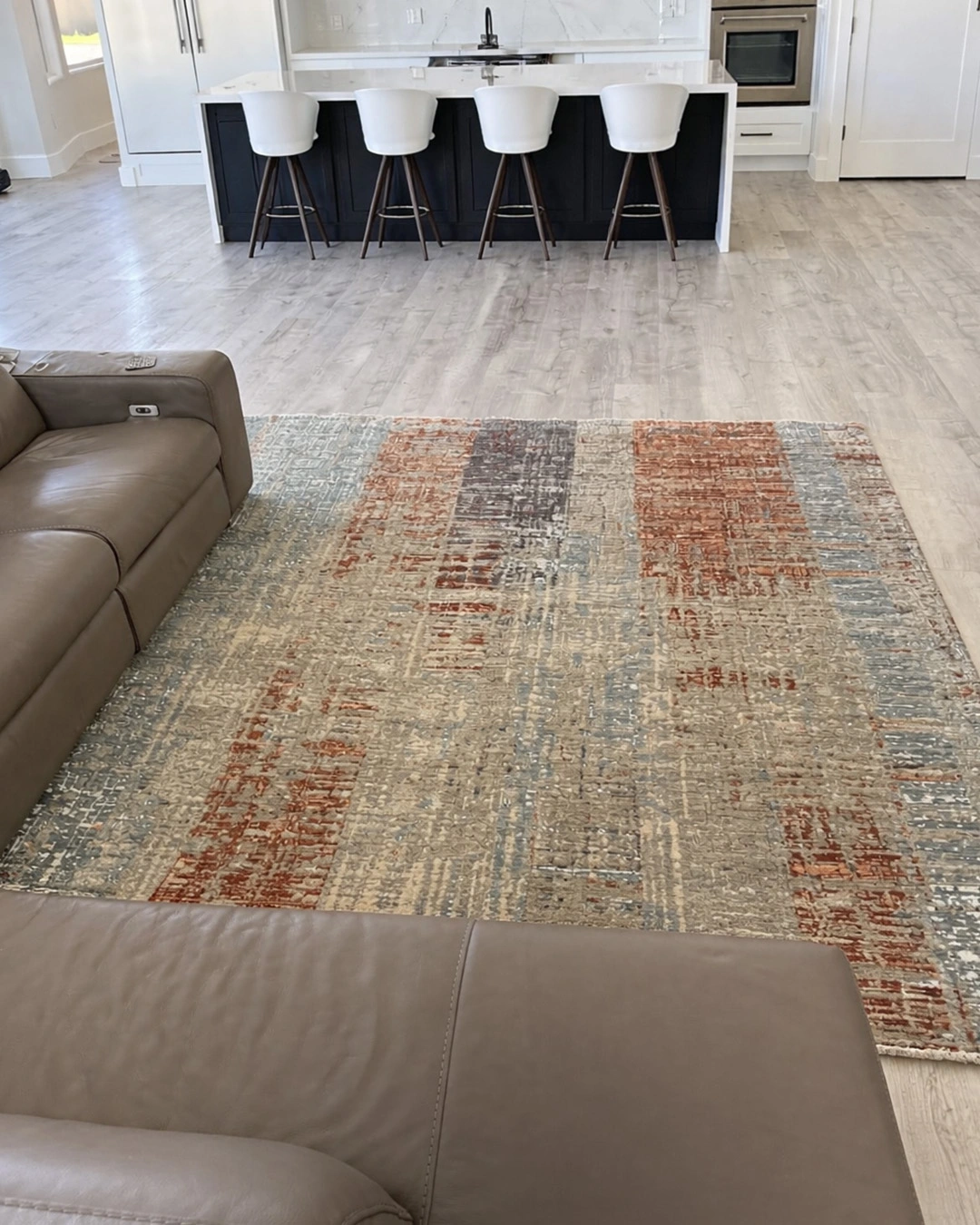
The right area rug is one of the most important decisions in home décor. The perfect rug not only adds warmth and comfort but also defines your space, complements your furniture, and enhances the overall design of your home. However, with countless sizes, materials, colors, and patterns available, selecting the ideal rug can quickly become overwhelming.
If you’re decorating a living room, bedroom, dining area, or entryway, understanding how to choose the right area rug ensures you invest in a piece that is both stylish and functional. This area rug buying guide covers everything you need to know, from selecting the right size and material to choosing colors, patterns, and proper placement.
Why Choosing the Right Area Rug Matters
Area rugs do much more than cover your floors. They create visual balance, define living spaces, reduce noise, and provide additional comfort underfoot.
A well-chosen rug can:
- Make a room feel larger and more inviting.
- Protect hardwood or tile flooring.
- Add texture and warmth.
- Complement your furniture and décor.
- Increase the overall aesthetic value of your home.
By following a thoughtful area rug buying guide, you can avoid costly decorating mistakes and select a rug that enhances your interior for years to come.
Start with the Right Rug Size
One of the biggest mistakes homeowners make when choosing area rugs is selecting the wrong size.
Living Room Area Rugs
For most living rooms, the rug should extend beneath the front legs of your sofa and chairs. In larger rooms, placing all furniture legs on the rug creates a luxurious and cohesive appearance.
Bedroom Area Rugs
Bedroom area rugs should extend beyond both sides and the foot of the bed, creating a soft and comfortable surface when you get up each morning.
Dining Room Rugs
The rug should extend at least 24 inches beyond all sides of the dining table so chairs remain on the rug when pulled out.
Following a proper rug size guide helps create balance while making rooms appear more spacious.
Choose the Best Rug Material
The material of your rug determines its durability, comfort, and maintenance requirements.
Wool Rugs
Wool is one of the most popular rug materials because it is naturally durable, stain-resistant, and incredibly soft.
Cotton Rugs
Cotton rugs are lightweight, affordable, and easy to clean, making them ideal for casual living spaces.
Synthetic Rugs
Materials like polypropylene and polyester offer affordability, stain resistance, and excellent durability for high-traffic areas.
Natural Fiber Rugs
Jute and sisal rugs provide texture and an organic appearance, making them ideal for modern and coastal interiors.
Choosing quality area rugs made from durable materials helps maximize your investment.
Match the Rug Style to Your Interior
Area rug styles should complement your existing furniture and overall design theme.
Popular options include:
- Modern geometric rugs
- Traditional Persian-inspired designs
- Minimalist neutral rugs
- Vintage distressed rugs
- Contemporary abstract patterns
Choosing area rugs that coordinate with your décor creates a harmonious and polished look.
Select the Right Color
Color plays a major role in the overall feel of a room.
Light-colored rugs can make smaller rooms appear larger and brighter, while darker rugs create warmth and hide dirt more effectively.
Neutral rugs provide flexibility if you frequently update your furniture or décor, while bold patterns can serve as statement pieces.
Think About Your Lifestyle
Your lifestyle should influence your rug selection just as much as your design preferences.
For busy households:
- Choose durable rug materials.
- Consider washable rugs for easy maintenance.
- Select stain-resistant fibers.
- Look for low-pile rugs in high-traffic areas.
Families with children and pets often benefit from practical, easy-to-maintain home décor rugs.
Use Proper Rug Placement
Proper rug placement helps anchor furniture and improve room flow.
Rug Placement Tips
- Center the rug within the seating arrangement.
- Leave a consistent border of visible flooring around the rug.
- Use runners in narrow hallways.
- Place entryway rugs where they effectively capture dirt.
Thoughtful placement creates a balanced and professionally designed appearance.
Don’t Forget Rug Pads
Many homeowners overlook the importance of rug pads.
A quality rug pad helps:
- Prevent slipping.
- Protect flooring.
- Extend rug life.
- Improve comfort.
- Reduce wear.
Adding a rug pad is a simple investment that significantly improves the performance of your area rug.
Balance Budget with Quality
While inexpensive rugs may seem attractive, investing in quality area rugs often provides greater long-term value.
High-quality rugs:
- Last longer.
- Maintain their appearance.
- Require fewer replacements.
- Offer better comfort.
- Improve overall home value.
Rather than focusing only on price, consider durability, craftsmanship, and maintenance costs.
Common Mistakes to Avoid
When choosing the right area rug, avoid these common mistakes:
- Buying a rug that’s too small.
- Ignoring rug material.
- Choosing style over functionality.
- Forgetting to measure your space.
- Overlooking maintenance requirements.
- Skipping a rug pad.
Avoiding these errors ensures your rug remains both beautiful and practical.
Final Thought
Knowing how to choose the right area rug helps you create comfortable, stylish, and functional living spaces. From selecting the proper rug size and material to matching colors and placement, every detail contributes to the overall design of your home.
If you’re looking for elegant living room area rugs, cozy bedroom area rugs, or durable home décor rugs for busy spaces, investing in quality area rugs will enhance your home’s beauty and comfort for years to come.
FAQs
How do I choose the right size area rug?
Measure your room carefully and ensure the rug fits proportionally with your furniture layout. In living rooms, the front legs of sofas and chairs should typically rest on the rug.
What is the best material for an area rug?
Wool is considered one of the best rug materials because it offers durability, comfort, and natural stain resistance. Synthetic fibers are also excellent for high-traffic areas.
Should an area rug be lighter or darker than the floor?
Either can work depending on your design goals. Light rugs brighten a room, while darker rugs create contrast and hide dirt more effectively.
How long should a quality area rug last?
A high-quality area rug made from durable materials can last 10 to 30 years or more with proper care and maintenance.


